


-
The Living Room is our place for shared connection. It is a patient focused community space to find fertility journeys and Two Week Waiting Lists shared by our patient family, interviews with our teams, Dr Chapman’s evaluation on the topical issues in reproductive health, as well as LCRH news, and updates on our various patient community projects, including the LCRH Buddy Program, as well as LCRH Walks, LCRH Knits, LCRH Cooks, and LCRH Reads.

LCRH Weekend Walks
We are excited to announce that the next LCRH Weekend Walk will be taking place at 10am on Saturday 10th October, 2026 in Beaconsfield. Dogs, friends and family all welcome.
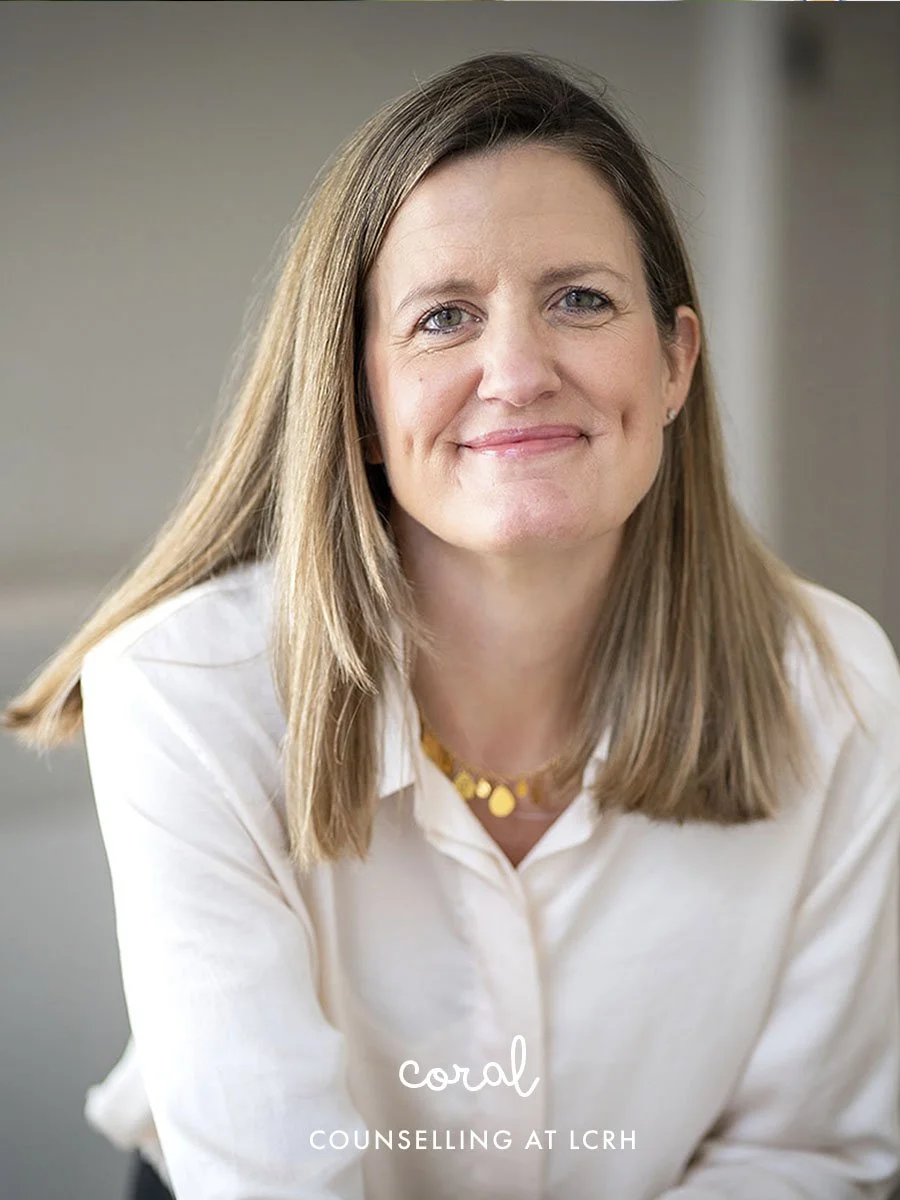
LCRH Counselling | Meet Coral
Both integrated and fully independent counselling is a key part of LCRH’s commitment to patient emotional well-being during their fertility journeys.
September is PMOS Awareness Month
PMOS was formerly known as PCOS, and was renamed in May this year by a global group of medical, research and patient advocate groups.
The Radically Honest Guide to Fertility Treatment
Author of ‘The Radically Honest Guide to Fertility Treatment: How to Navigate the Process and Take Back Control’ Dr Louise Goddard-Crawley joined us for a chat.
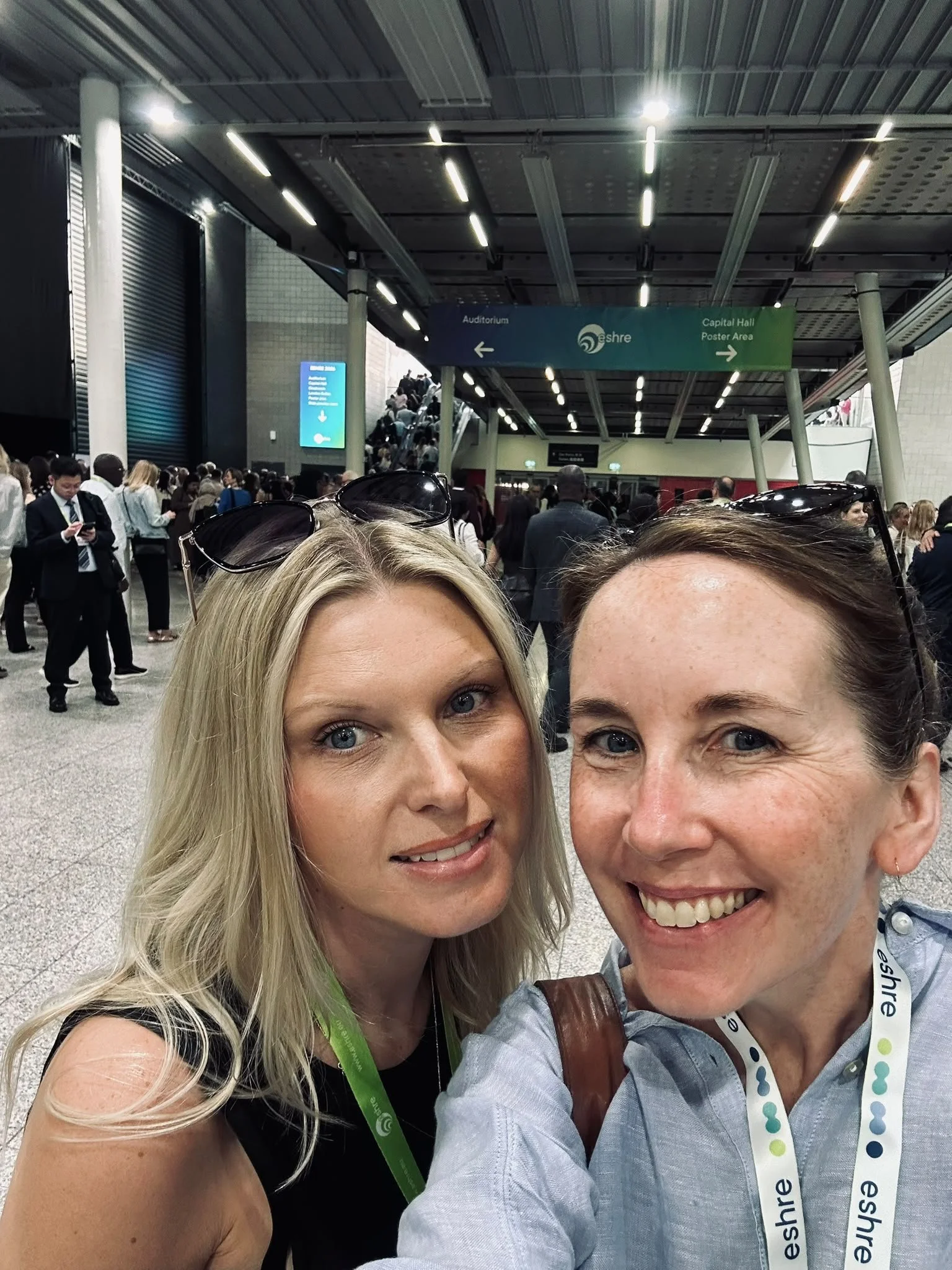
ESHRE, London 2026
The 42nd Annual Meeting of the ESHRE, the European Society of Human Reproduction and Embryology was held this month in London.
What is DNA Fragmentation Testing?
Approximately 15% of men with unexplained infertility have a clinical normal Semen Analysis. It is important to understand the basics before rushing into treatment such as IVF. This could either optimise a single cycle of IVF or reduce the need for assisted reproduction entirely.
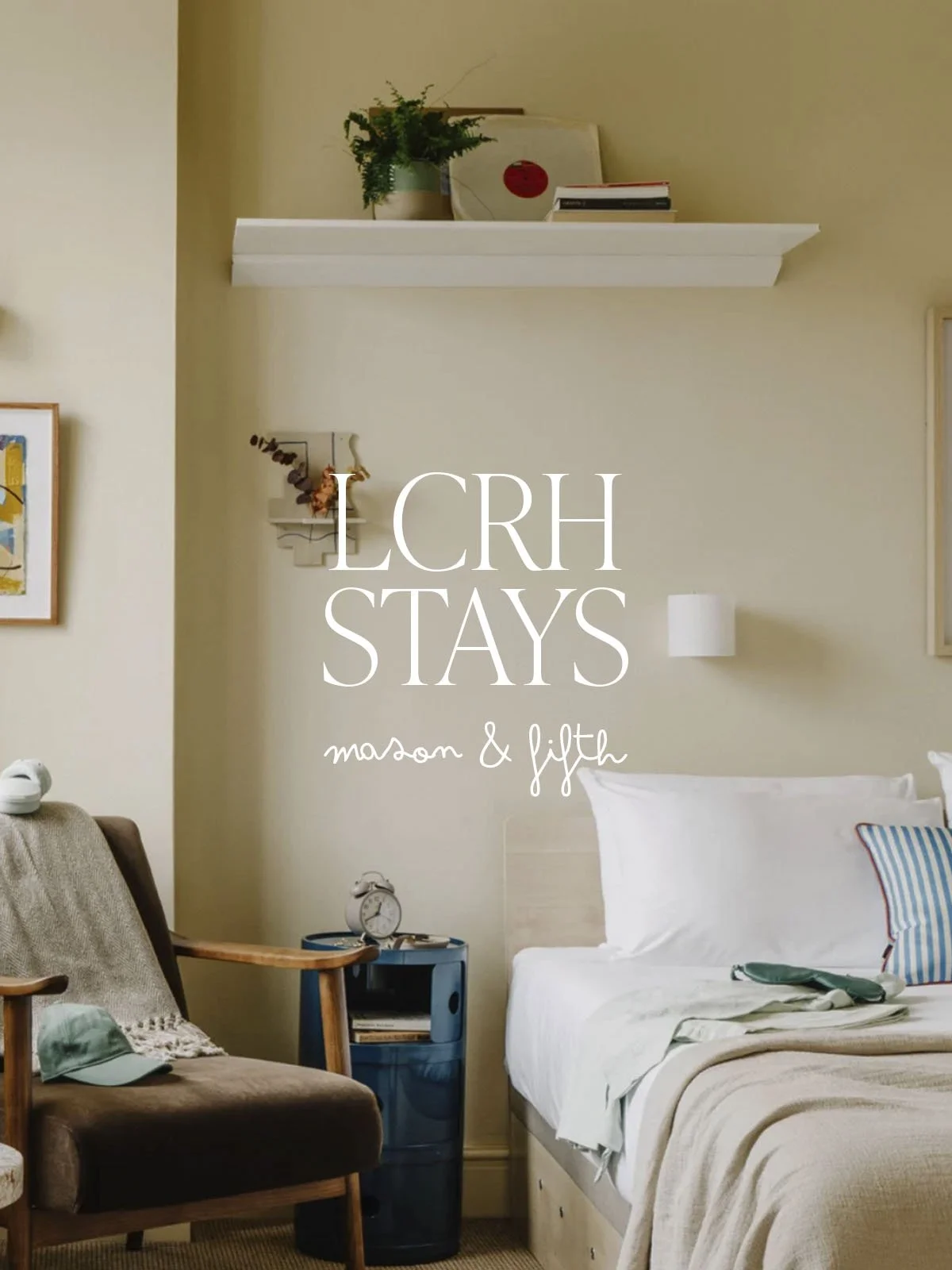
LCRH Stays | Mason & Fifth, Primrose Hill
For patients looking to stay overnight in London, LCRH has partnered with Mason & Fifth, Primrose Hill.
Vitamin D is technically a hormone rather than a vitamin…
It's best known for regulating calcium and bone health, but vitamin D receptors are present in the ovaries, testes, uterus, placenta, and pituitary — which is why it's relevant in fertility care.

LCRH Weekend Walks
Our next Weekend Walk is on June 7th in Kent. These walks are a friendly and relaxed way to learn more about various aspects of Reproductive Health.

My Two Week Waiting List: Sita BB Shah
‘I have had every symptom under the sun pointing to that I’m pregnant, and every symptom pointing to not’.
Writer Sita BB Shah shares her Two Week Waiting List.
What is TSH?
TSH stands for thyroid-stimulating hormone. It's made by the pituitary gland (a small gland at the base of the brain) and its job is to tell the thyroid gland in your neck how much thyroid hormone to produce. Measuring TSH is the standard blood test to check thyroid function.
Fertility Coach Carly Garrett shares 'Held' with LCRH patients
Fertility Coach and Reflexologist Carly Garrett has launched ‘HELD’, a series of 16 recordings designed to support throughout an IVF cycle.
LCRH Team Chat: Jane
A chat with LCRH’s Group Nurse Manager Jane Holman about her career in Reproductive Health.
The Impact on my Fertility from my Life training to be a Professional Athlete, by Dr Lynne Chapman
‘I personally experienced difficulty conceiving my children and have never been entirely sure whether this was related to the intensity of training, my low BMI in adolescence, or other factors.’
What is AMH?
Anti-Mullerian Hormone is produced mainly by granulosa cells of growing preantral and small antral follicles, AMH is widely used as a clinical marker of ovarian reserve and expected ovarian response. It modulates early-stage follicle grow and acts as a “gatekeeper” to ensure follicles develop sequentially rather than all at once.

Dr Chapman on ‘Don’t Tell Me to RELAX!’
‘Having led teams at several of the leading London clinics, and having been through IVF three times myself, I was at the stage in my career where I wanted to take just one patient on the journey that I would have liked for myself, so I thought, Well, I’m just going to do this for the love of it and see if it grows.’ - Dr Chapman talks to Hannah Pearn.
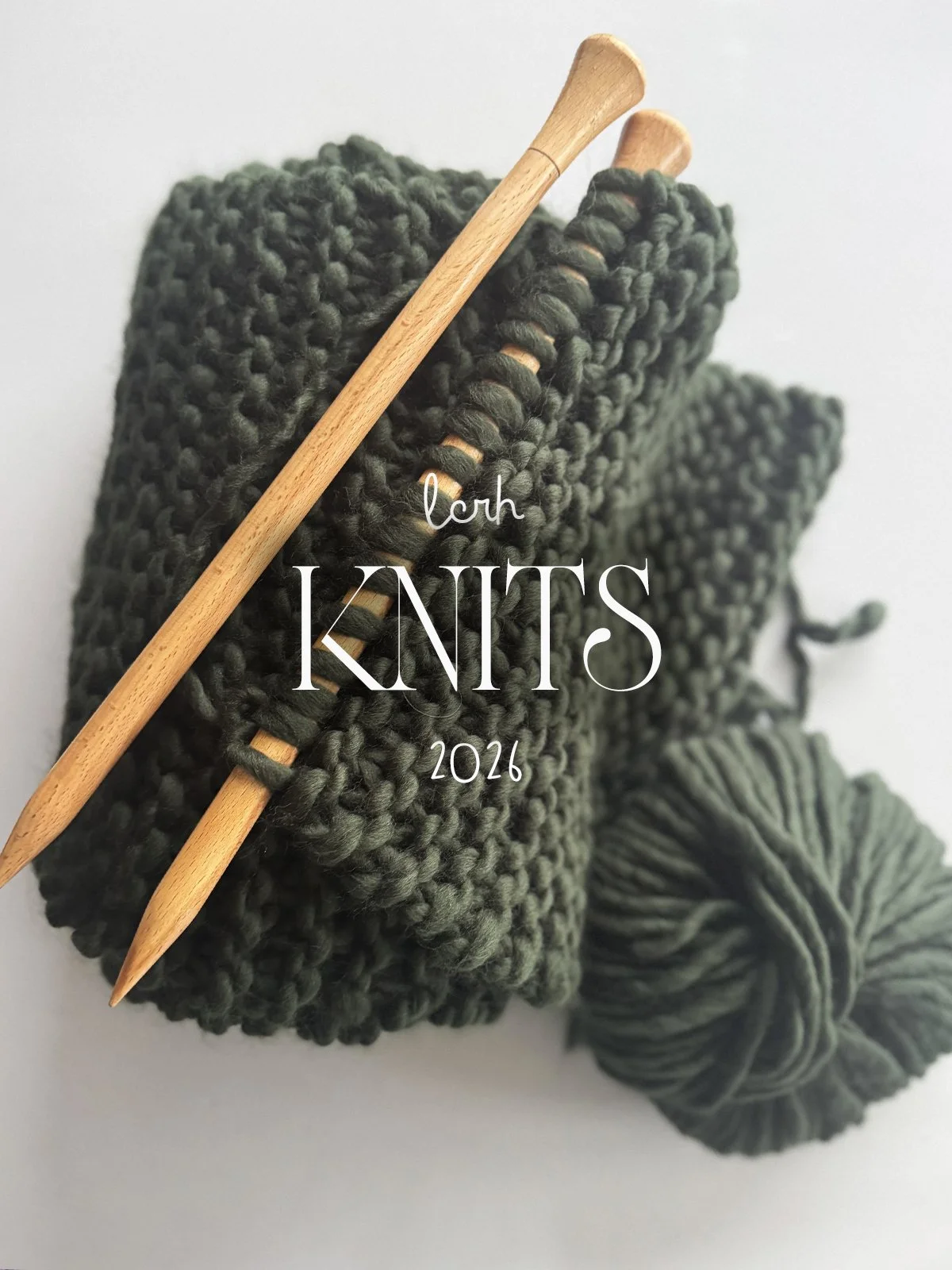
LCRH Knits 2026
We have partnered with Wool and the Gang for a second year to offer LCRH patients a 20% discount at the Wool and the Gang Website. We believe that the rhythmic and productive qualities of knitting can be a helpful support in reducing some of the ‘noise’ during a fertility journey.