


-
The Living Room is our place for shared connection. It is a patient focused community space to find fertility journeys and Two Week Waiting Lists shared by our patient family, interviews with our teams, Dr Chapman’s evaluation on the topical issues in reproductive health, as well as LCRH news, and updates on our various patient community projects, including the LCRH Buddy Program, as well as LCRH Walks, LCRH Knits, LCRH Cooks, and LCRH Reads.


What is DNA Fragmentation Testing?
Approximately 15% of men with unexplained infertility have a clinical normal Semen Analysis. It is important to understand the basics before rushing into treatment such as IVF. This could either optimise a single cycle of IVF or reduce the need for assisted reproduction entirely.

Vitamin D is technically a hormone rather than a vitamin…
It's best known for regulating calcium and bone health, but vitamin D receptors are present in the ovaries, testes, uterus, placenta, and pituitary — which is why it's relevant in fertility care.
What is TSH?
TSH stands for thyroid-stimulating hormone. It's made by the pituitary gland (a small gland at the base of the brain) and its job is to tell the thyroid gland in your neck how much thyroid hormone to produce. Measuring TSH is the standard blood test to check thyroid function.
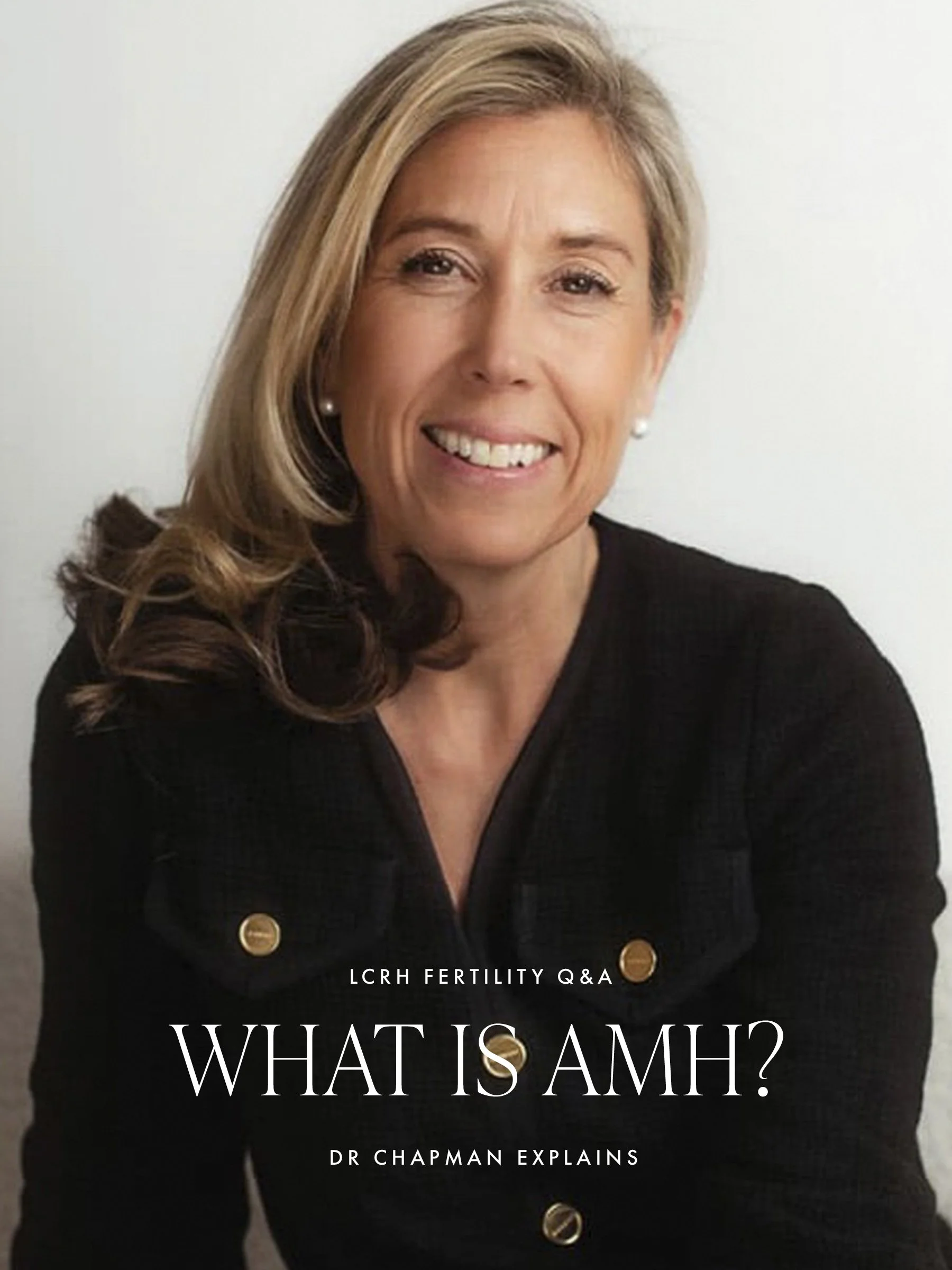
What is AMH?
Anti-Mullerian Hormone is produced mainly by granulosa cells of growing preantral and small antral follicles, AMH is widely used as a clinical marker of ovarian reserve and expected ovarian response. It modulates early-stage follicle grow and acts as a “gatekeeper” to ensure follicles develop sequentially rather than all at once.


-
JANE: LCRH Team Chat: Jane Holman
“The pregnancy scans are always a highlight because we fight over those! We all get to know the patients, and it is the icing on the cake to know we've taken a patient through that journey; we’ve got a positive test, a fetal heart and we've got a good result!”… a chat with Group Nurse Manager, Specialist Fertility Nurse & Sonographer Jane Holman.
LYNNE: The Impact on my Fertility from my Life Training to be a Professional Athlete
“I personally experienced difficulty conceiving my children and have never been entirely sure whether this was related to the intensity of training, my low BMI in adolescence, or other factors. Having been through this, I understand the importance of supporting female athletes in managing their fertility expectations as well as their menstrual cycles and energy levels during competition.” a personal account by Dr Lynne Chapman